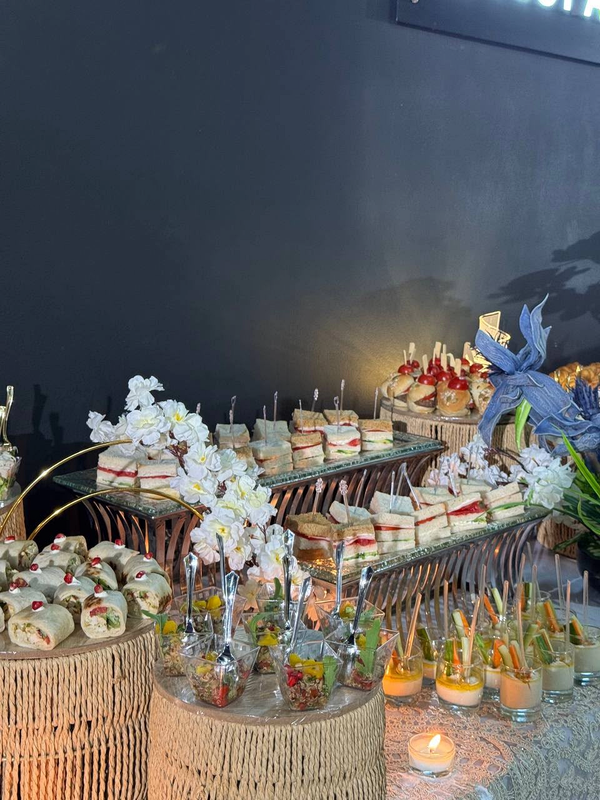


Why a Buffet Dinner Works for So Many Events
A buffet dinner remains one of the most popular service styles for events across Abu Dhabi, Dubai and the wider UAE, and for good reason. It gives guests choice, keeps the room moving, suits large and mixed groups, and can flex around dietary needs without the complexity of a plated service. Whether you’re organising a corporate dinner, a family celebration, or a large-scale conference evening, understanding how buffet dinner catering actually works will help you plan a smoother event and avoid last-minute surprises.
How Many Dishes Should a Buffet Dinner Include?
One of the first questions event organisers ask is how much food is actually enough. A well-balanced buffet dinner typically spans several courses rather than a single long table of mains. Dana Prime, for example, offers more than 130 dishes across sixteen courses, which allows a menu to be built around starters, salads, mains, sides, breads and desserts rather than just volume. The goal is variety within a structure, not an overwhelming spread that leads to waste or confused guests unsure where to start.
For a typical evening event, a good rule of thumb is to offer:
- Two to three starters or salads
- Three to four main dishes, including at least one vegetarian option
- Two to three side dishes
- One or two desserts
Larger events, such as galas or conference dinners, often extend this with live cooking stations or additional courses. You can browse the full range of options on the menu page before deciding what suits your guest profile.
Getting the Headcount and Portions Right
Buffet dinners are usually costed per head, which makes it easier to plan a once you know your final guest numbers. Because portions are self-served, it’s worth telling your caterer if your audience skews toward heavier eaters, includes a lot of younger guests, or is a mixed corporate and family crowd, as this affects how much of each dish is prepared. A good caterer will also ask about the event duration, since a three-hour dinner with speeches needs food to stay fresh for longer than a quick one-hour service.
If you’re catering for a workplace rather than a one-off event, the same principles apply on a smaller, recurring scale. See how this works for daily office needs on the office catering Abu Dhabi and office catering Dubai pages.
Setup, Serving and Timing
A buffet dinner is only as good as the setup behind it. Food needs to arrive hot or properly chilled, be laid out logically so queues don’t bottleneck, and be replenished throughout service without gaps appearing on the table. This is where having a dedicated delivery, setup and serving team matters, rather than food simply being dropped off. Staff should manage chafing dishes, monitor temperature, and clear as the evening progresses so the space stays presentable.
Timing also matters more than people expect. Buffets should typically open once most guests have arrived, run for the bulk of the event, and be cleared or reduced toward the end rather than sitting out for the entire duration. If your event includes speeches, awards or entertainment, coordinate the buffet opening around these moments so service doesn’t clash with the programme.
Dietary Variety Without Overcomplicating the Menu
UAE audiences are typically diverse, so a buffet dinner menu should account for a mix of dietary preferences without turning into a dozen separate stations. Vegetarian, and commonly requested regional and international dishes can be built into the same sixteen-course structure rather than treated as an afterthought. Flagging dietary requirements early, ideally when you request your quote, gives the kitchen time to plan proportions properly.
Corporate Dinners vs Larger Events
The scale of your event changes how a buffet dinner should be approached. A corporate dinner for fifty colleagues has different logistics to a conference dinner for several hundred delegates, or a large public or private event. For sizeable gatherings, it’s worth reading through guidance on large event catering and conference catering, as buffet layout, queue management and staffing all scale differently once numbers climb into the hundreds.
For standard corporate dinners and team gatherings, the corporate catering service line covers menu planning tailored to office and business events, while one-off celebrations, weddings and larger functions fall under event catering.
Tasting Before You Commit
Because a buffet dinner menu often involves multiple dishes across several courses, tasting the food beforehand is one of the most useful steps in planning. A free tasting allows you to check seasoning, portion style and presentation before finalising your selection, rather than relying on a written menu alone. You can arrange this through the free catering tasting service ahead of booking.
Booking Timelines
For a straightforward evening buffet, booking two to three weeks in advance is generally sufficient, though larger events with sixteen-course menus and live stations benefit from earlier planning. If your date is approaching quickly, it’s still worth checking availability through last-minute catering options rather than assuming nothing can be arranged.
Next Steps
Once you have a sense of your guest count, dietary mix and event format, the easiest way to move forward is to request a tailored quote. Visit get a quote to outline your event details, or explore the event catering booking process to understand how scheduling and confirmation typically work from enquiry to event day.